



Aldose Reductase
AKR1B1; Aldo-keto reductase family 1 member B
Aldose reductase is a small, cytosolic, monomeric enzyme which belongs to the aldo-keto reductase superfamily. Aldose reductase catalyzes the reduced form of nicotinamide adenine dinucleotide phosphate (NADPH)-dependent reduction of a wide variety of aromatic and aliphatic carbonyl compounds. It is implicated in the development of diabetic and galactosemic complications involving the lens, retina, nerves, and kidney.
Aldose reductase is both the key enzyme of the polyol pathway, whose activation under hyperglycemic conditions leads to the development of chronic diabetic complications, and the crucial promoter of inflammatory and cytotoxic conditions, even under a normoglycemic status. Aldose reductase represents an excellent drug target and a huge effort is being done to disclose novel compounds able to inhibit it.
All Product Categories
-
Aldose Reductase Related Products (134)
Related Products (134)

-
Antibodies (2)
-
Zopolrestat
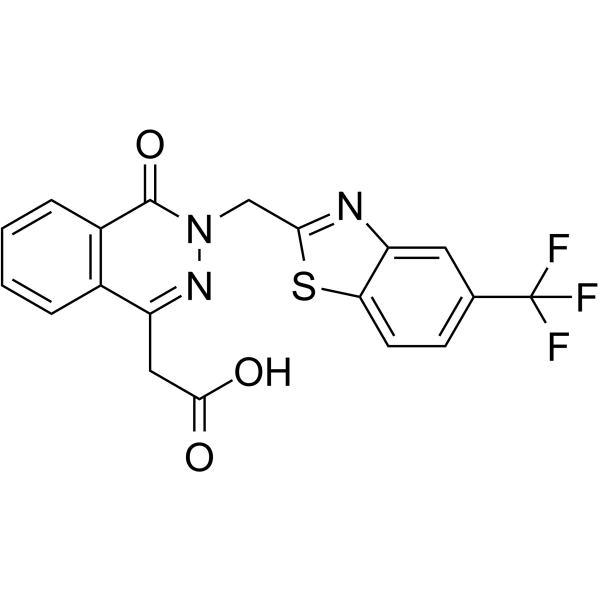 0 ImagesSynonyms: CP73850Zopolrestat (CP73850) is a potent, orally active aldose reductase (AR) inhibitor with an IC50 of 3.1 nM. Zopolrestat is used for the research of diabetic complications.
-
6-Hydroxyluteolin
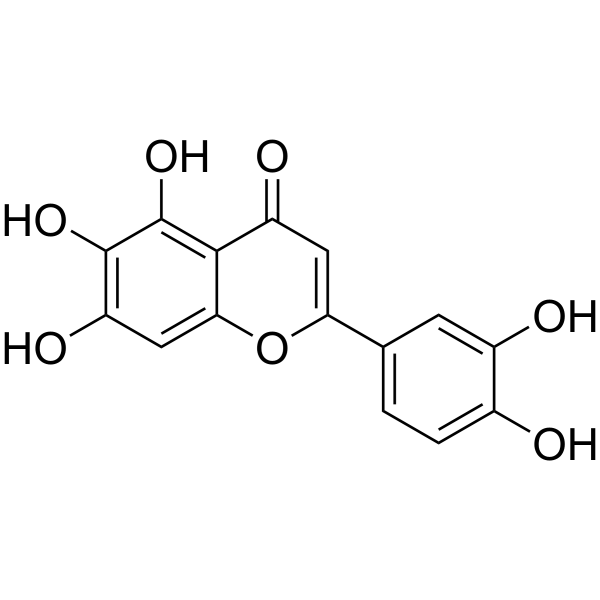 0 Images6-Hydroxyluteolin (Compound 17) is a flavonoid derivative and also an inhibitor of Aldose reductase, with an experimental -log IC50 value of 6.690. 6-Hydroxyluteolin can be isolated from the leaves of multiple plant families, including Plantaginaceae, Globulariaceae and Labiatae. 6-Hydroxyluteolin serves as a phylogenetic marker for higher plants. 6-Hydroxyluteolin can be used in the research of diabetic cataract.
-
Govorestat
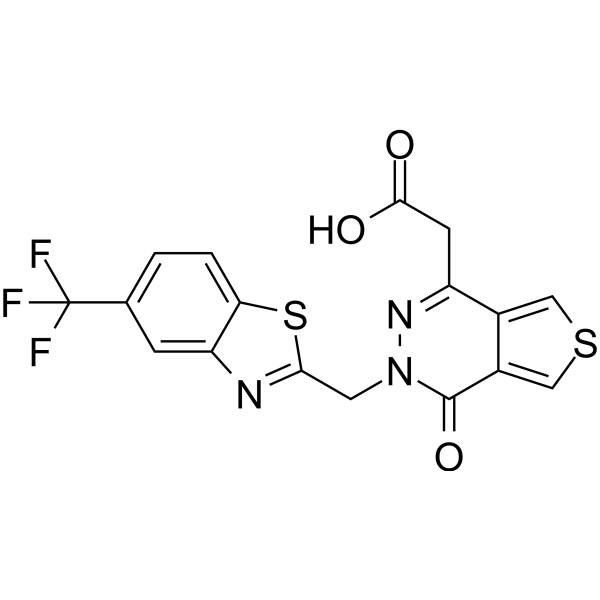 0 ImagesSynonyms: AT-007Govorestat (AT-007) is an orally active brain-penetrant aldose reductase inhibitor with an IC50 value of 100 pM. Govorestat has the potential for galactose-1-phosphate uridyl transferase deficiency research.
-
MK204
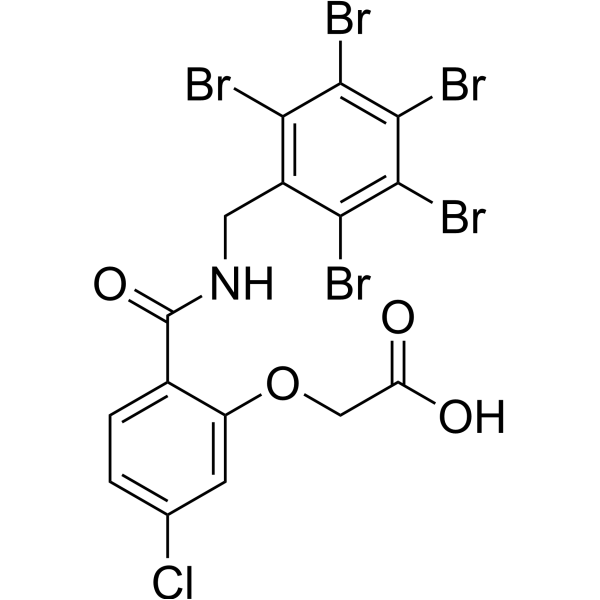 0 ImagesCat. No.: HY-120208CAS No.: 1959605-73-2MK204 is an aldose reductase (AR) inhibitor that can be used in diabetes research.
-
Danshenol A
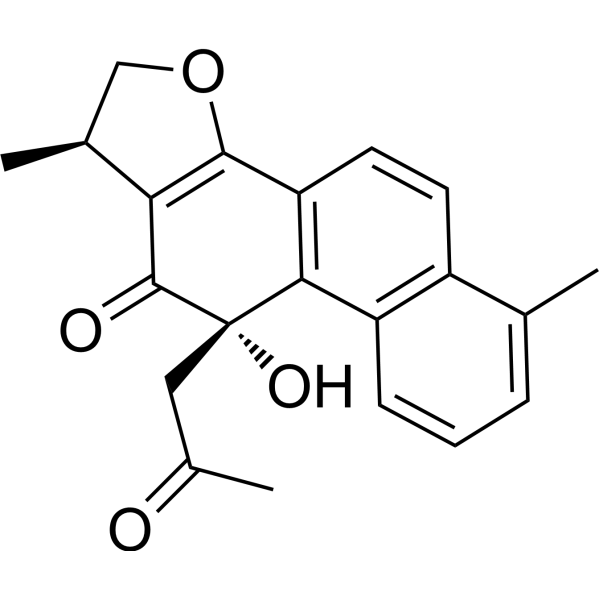 0 ImagesDanshenol A, an abietane-type diterpenoid, is an aldose reductase (AR) inhibitor with an IC50 of 0.1 μM. Danshenol A can protect endothelial cells from oxidative stress by directly scavenging ROS. Danshenol A has anti-inflammatory and antitumor properties. Danshenol A can be used for atherosclerosis research.
-
Imirestat
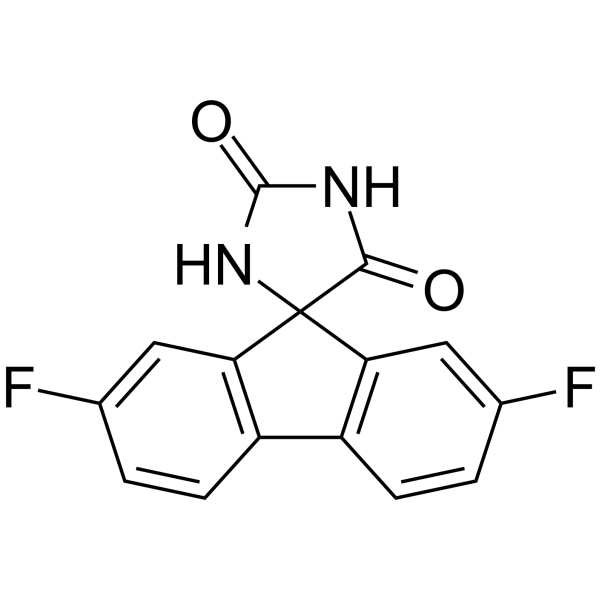 0 ImagesSynonyms: AL 1576; Alcon 1576; HOE 843Imirestat (AL 1576) is an aldose reductase inhibitor, used for the treatment of diabetes.
-
Soyasaponin Ba
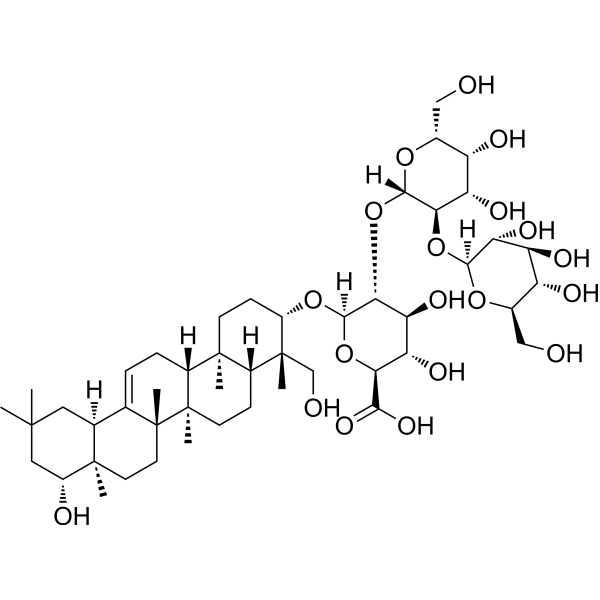 0 ImagesSoyasaponin Ba is a soyasaponin that can be isolated from Phaseolus vulgaris, acts as an aldose reductase inhibitor (ARI). Soyasaponin Ba activates Akt/GSK3β/β-catenin signaling pathway, reduces lipid accumulation, lowers ROS generation, improves mitochondrial membrane potential, ATP levels, and morphology, and inhibits apoptosis. Soyasaponin Ba can be used for the research of lipid accumulation and secondary diabetic complications.
-
Exisulind
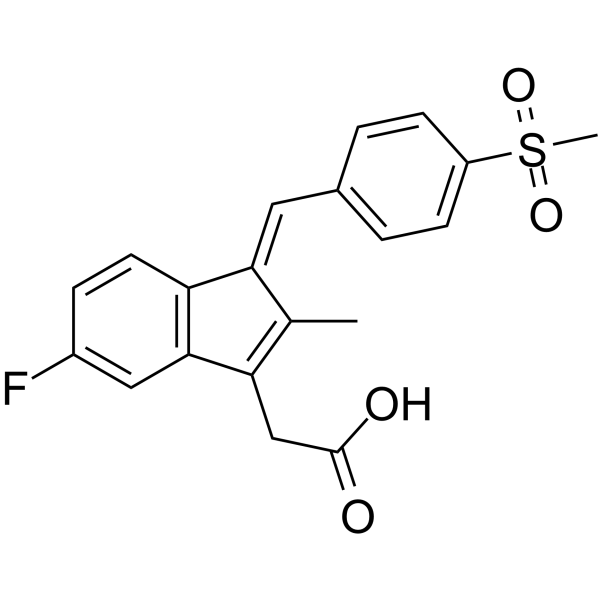 0 ImagesExisulind is an inactive metabolite of the nonsteroidal, anti-inflammatory agent sulindac. Exisulind inhibits aldose reductase with an IC50 of 367 nM in vitro and may contribute to the beneficial pharmacological effects of sulindac on type 2 diabetic complications.
-
Caficrestat
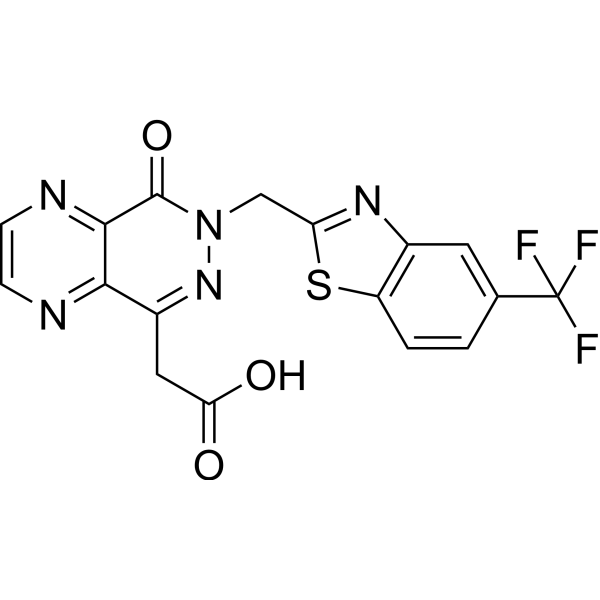 0 ImagesSynonyms: AT-001; Aldose reductase-IN-1Caficrestat (AT-001) is an orally active aldose reductase inhibitor. Caficrestat can be used in the study of diabetic cardiomyopathy.
-
Glyoxal (40% w/w in water)
 0 ImagesGlyoxal (40% w/w in water) is an α-oxoaldehyde that inhibits Aldose Reductase, Glutathione Reductase, and NADPH synthase. Glyoxal (40% w/w in water) exhibits cytotoxicity, triggers oxidative stress, induces ROS accumulation, lipid peroxidation, mitochondrial membrane potential collapse, DNA damage, apoptosis, and massive production of advanced glycation end products (AGEs). Glyoxal (40% w/w in water) depletes glutathione and activates MAPK phosphorylation. It has lower toxicity as a fixative than paraformaldehyde (PFA) and serves as a precursor for the synthesis of oxalates and dietary carcinogens. Glyoxal (40% w/w in water) is suitable for research related to calcium oxalate kidney stones, diabetes, atherosclerosis, cardiovascular diseases, retinopathy, and cataracts.
-
Zenarestat
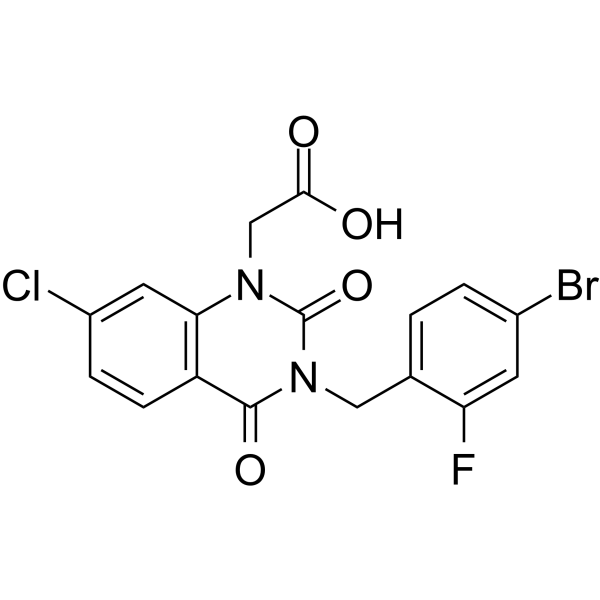 0 ImagesZenarestat is a potent and orally active aldose reductase inhibitor. Zenarestat improves diabetic peripheral neuropathy in Zucker diabetic fatty rats.
-
Lidorestat
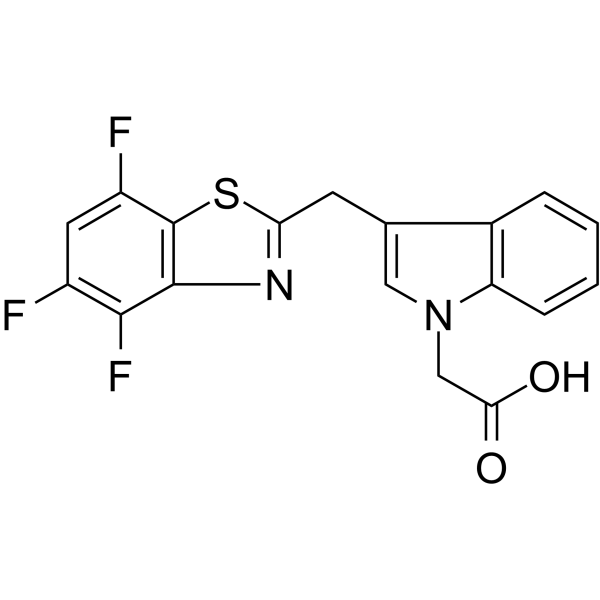 0 ImagesSynonyms: IDD-676Lidorestat (IDD-676) is a potent, selective and orally active aldose reductase inhibitor with an IC50 of 5 nM. Lidorestat can be used for chronic diabetes complications. Lidorestat also improves nerve conduction and reduces cataract formation.
-
Ganoderic acid C6
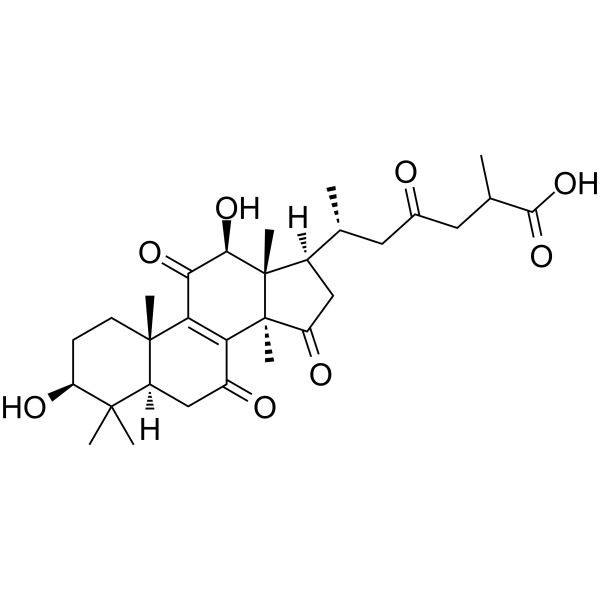 0 ImagesGanoderic acid C6 has aldose reductase inhibitory activity.
-
WJ-39
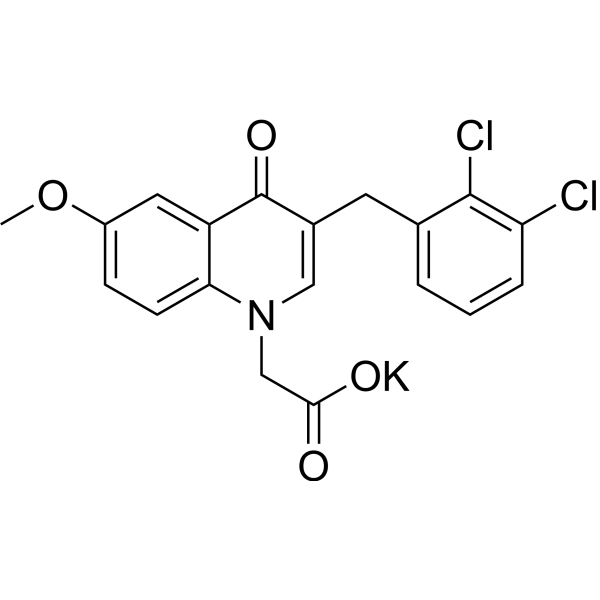 0 ImagesWJ-39 is an orally active aldose reductase (AR) inhibitor. WJ-39 improves tubular damage in diabetic nephropathy rats by activating PINK1/Parkin signaling, promoting mitophagy, and attenuating apoptosis.
-
Alrestatin
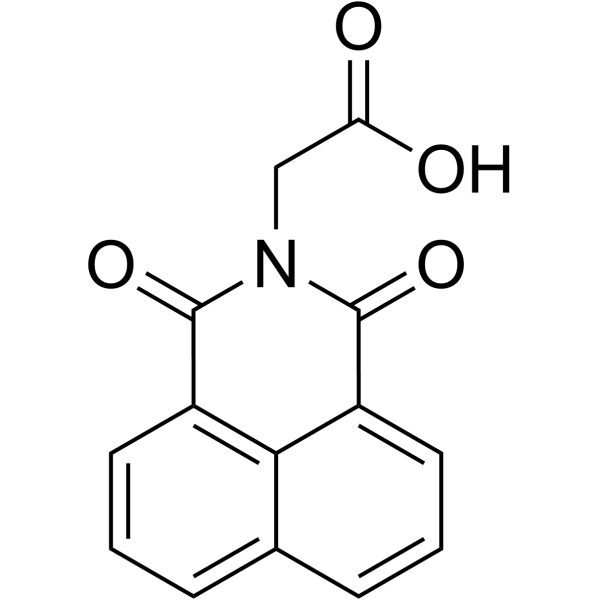 0 ImagesSynonyms: AY-22284Alrestatin (AY-22284) is an aldose reductase inhibitor. Alrestatin reduces fructose levels in the uterine fluid of mice. Alrestatin interferes with sperm capacitation and impairs fertilization function in mice. Alrestatin decreases basal and tyramine-induced norepinephrine release in rat pancreatic specimens in vitro. Alrestatin enhances glucose- and arginine-stimulated insulin secretion in vivo. Alrestatin can be used in studies related to diabetes and reproductive diseases.
-
2,2'-Thiodiacetic acid
 0 ImagesSynonyms: Thiodiglycolic acid2,2'-Thiodiacetic acid (Thiodiglycolic acid) is a human L-xylulose reductase (XR) inhibitor with inhibition rate of 28% at 10 mM. 2,2'-Thiodiacetic acid can be used for the research of diabetes .
-
Cornoside
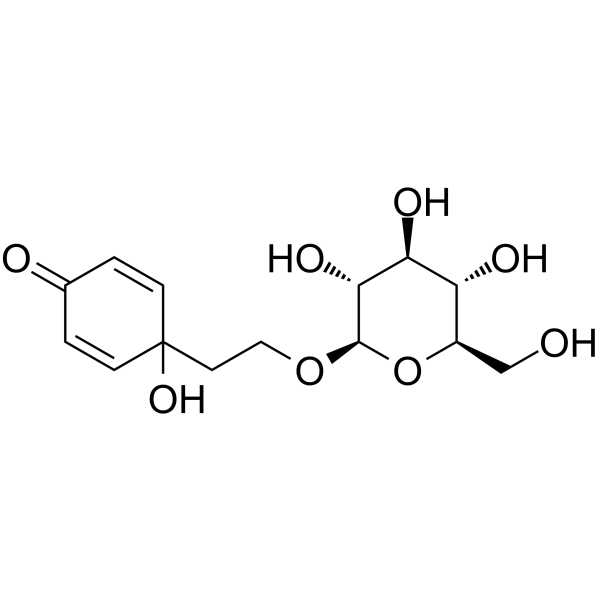 0 ImagesCat. No.: HY-N7962CAS No.: 40661-45-8Cornoside is a phenolic glycoside and has inhibitory effect on rat lens aldose reductase (AR) with an IC50 of 150 μM.
-
JSD26
 0 ImagesJSD26 is a selective and orally active SCoR2 (AKR1A1) inhibitor with an IC50 of 93 nM. JSD26 has 10-fold selectivity for SCoR2 versus AKR1B1. JSD26 can be used for the study acute kidney injury (AKI).
-
ALR2-IN-1
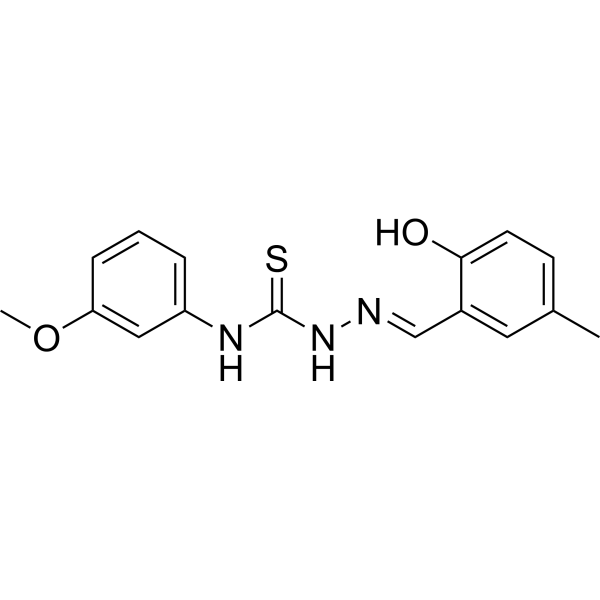 0 ImagesALR2-IN-1 is a potent and selective ALR2 inhibitor (IC50=1.42 μM). ALR2-IN-1 shows antioxidant and antiglycative properties. ALR2-IN-1 can be used in diabetic complication research.
-
Tolrestat (Standard)
 0 ImagesCat. No.: HY-16500RCAS No.: 82964-04-3Synonyms: AY-27773 (Standard)Tolrestat (Standard) is the analytical standard of Tolrestat. This product is intended for research and analytical applications. Tolrestat is a potent, orally active aldose reductase inhibitor with IC50 of 35 nM.




